

-18%


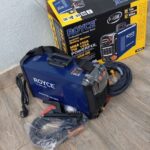
Royce Tig inverter welding machine 450
Original price was: KSh 35,000.KSh 29,500Current price is: KSh 29,500.
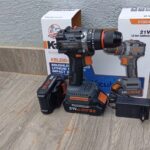
Kzubr Cordless Drill 21v
Original price was: KSh 15,000.KSh 11,999Current price is: KSh 11,999.
kzubr knapsack sprayer 2 stroke 25L
Original price was: KSh 20,000.KSh 16,500Current price is: KSh 16,500.
- 2-Stroke Engine: This is the defining feature. The engine requires a pre-mixed fuel-oil mixture (gasoline and 2-stroke oil at a specific ratio, often 25:1 or 50:1 depending on the engine and oil type).
- Pros of 2-stroke: High power-to-weight ratio (lighter machine for its power), simpler design (fewer moving parts), typically lower initial cost.
- Cons of 2-stroke: Requires fuel mixing, higher emissions (more smoke and odor), can be noisier than 4-stroke alternatives, and generally less fuel-efficient.
- Knapsack Design: It’s worn on the operator’s back using padded shoulder straps, distributing the weight and allowing for hands-free operation of the lance.
- Tank Capacity: Kzubr 2-stroke knapsack sprayers commonly come with a 20-liter or 25-liter chemical tank. This allows for extended spraying sessions without frequent refilling.
Description
Key Features and Characteristics:
- 2-Stroke Engine: This is the defining feature. The engine requires a pre-mixed fuel-oil mixture (gasoline and 2-stroke oil at a specific ratio, often 25:1 or 50:1 depending on the engine and oil type).
- Pros of 2-stroke: High power-to-weight ratio (lighter machine for its power), simpler design (fewer moving parts), typically lower initial cost.
- Cons of 2-stroke: Requires fuel mixing, higher emissions (more smoke and odor), can be noisier than 4-stroke alternatives, and generally less fuel-efficient.
- Knapsack Design: It’s worn on the operator’s back using padded shoulder straps, distributing the weight and allowing for hands-free operation of the lance.
- Tank Capacity: Kzubr 2-stroke knapsack sprayers commonly come with a 20-liter or 25-liter chemical tank. This allows for extended spraying sessions without frequent refilling.
- Powerful Spraying: The engine drives a pump that generates significant pressure, allowing for a strong and consistent spray pattern over a considerable range (often up to 7-10 meters, or even more depending on the nozzle and pressure). This makes them much faster and more efficient than manual sprayers.
- Versatility: Suitable for various liquid applications in:
- Agriculture (crops, orchards, nurseries)
- Pest control (homes, public health, livestock dipping)
- Disinfection (compounds, poultry houses)
- Weed control
- Adjustable Nozzles: Typically comes with multiple nozzle options (e.g., adjustable, conical, fan nozzles) to allow the operator to control the spray pattern, droplet size, and coverage area – from a fine mist to a strong stream.
- Durable Construction: Built with corrosion-resistant materials (often high-density polyethylene for the tank, and sometimes stainless steel lances) to withstand various chemicals.
Additional information
| Weight | 6 kg |
|---|
Reviews (0)
Related products

Original price was: KSh 65,000.KSh 60,000Current price is: KSh 60,000.
Buy via WhatsApp

Original price was: KSh 30,000.KSh 25,000Current price is: KSh 25,000.
Buy via WhatsApp

Original price was: KSh 15,000.KSh 14,000Current price is: KSh 14,000.
Buy via WhatsApp

Original price was: KSh 12,000.KSh 10,500Current price is: KSh 10,500.
Buy via WhatsApp


Original price was: KSh 10,000.KSh 7,500Current price is: KSh 7,500.
Buy via WhatsApp


Original price was: KSh 8,000.KSh 7,000Current price is: KSh 7,000.
Buy via WhatsApp

Original price was: KSh 6,500.KSh 4,000Current price is: KSh 4,000.
Buy via WhatsApp

Original price was: KSh 3,000.KSh 1,800Current price is: KSh 1,800.
Buy via WhatsApp

Original price was: KSh 3,500.KSh 3,000Current price is: KSh 3,000.
Buy via WhatsApp

Original price was: KSh 1,200.KSh 800Current price is: KSh 800.
Buy via WhatsApp

Original price was: KSh 19,500.KSh 17,000Current price is: KSh 17,000.
Buy via WhatsApp


Original price was: KSh 3,500.KSh 2,500Current price is: KSh 2,500.
Buy via WhatsApp
Reviews
There are no reviews yet.