

-38%

Broken Screw extractor with handle
Original price was: KSh 1,200.KSh 900Current price is: KSh 900.

16pcs Hole saw kit
Original price was: KSh 2,000.KSh 1,450Current price is: KSh 1,450.
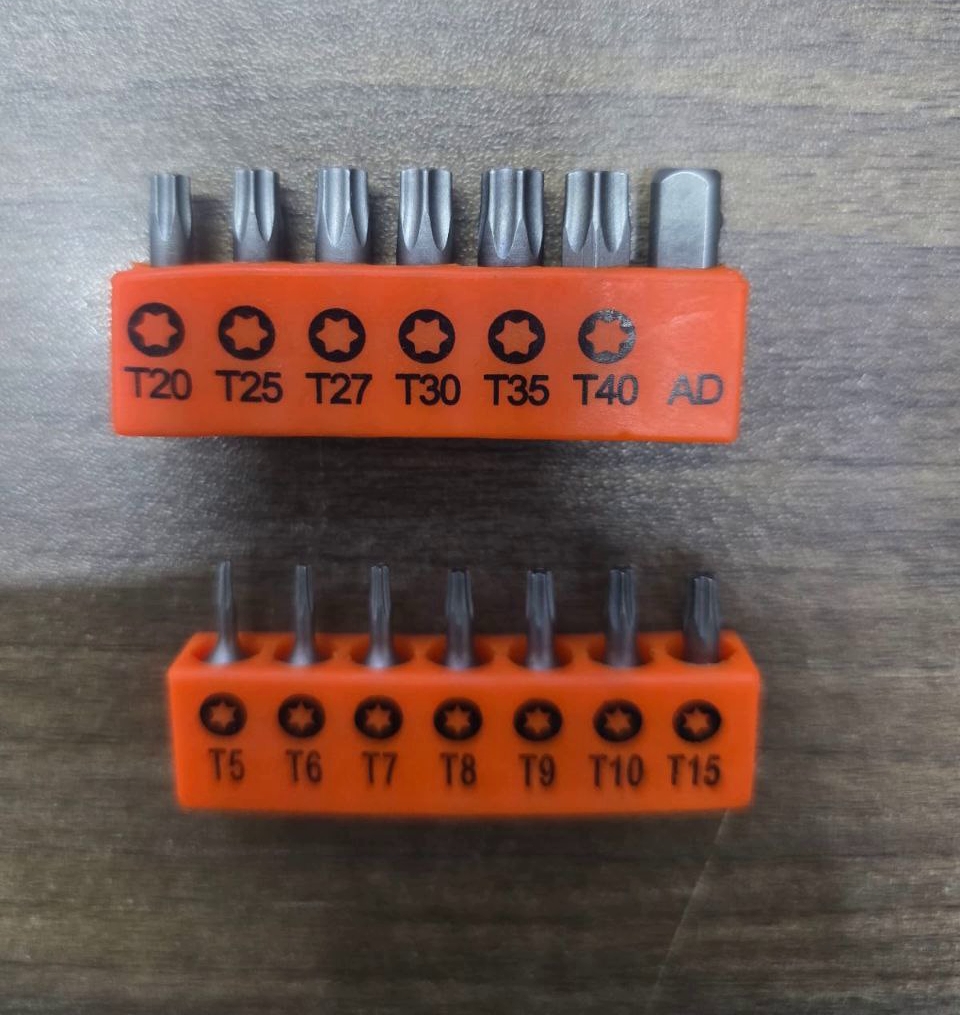
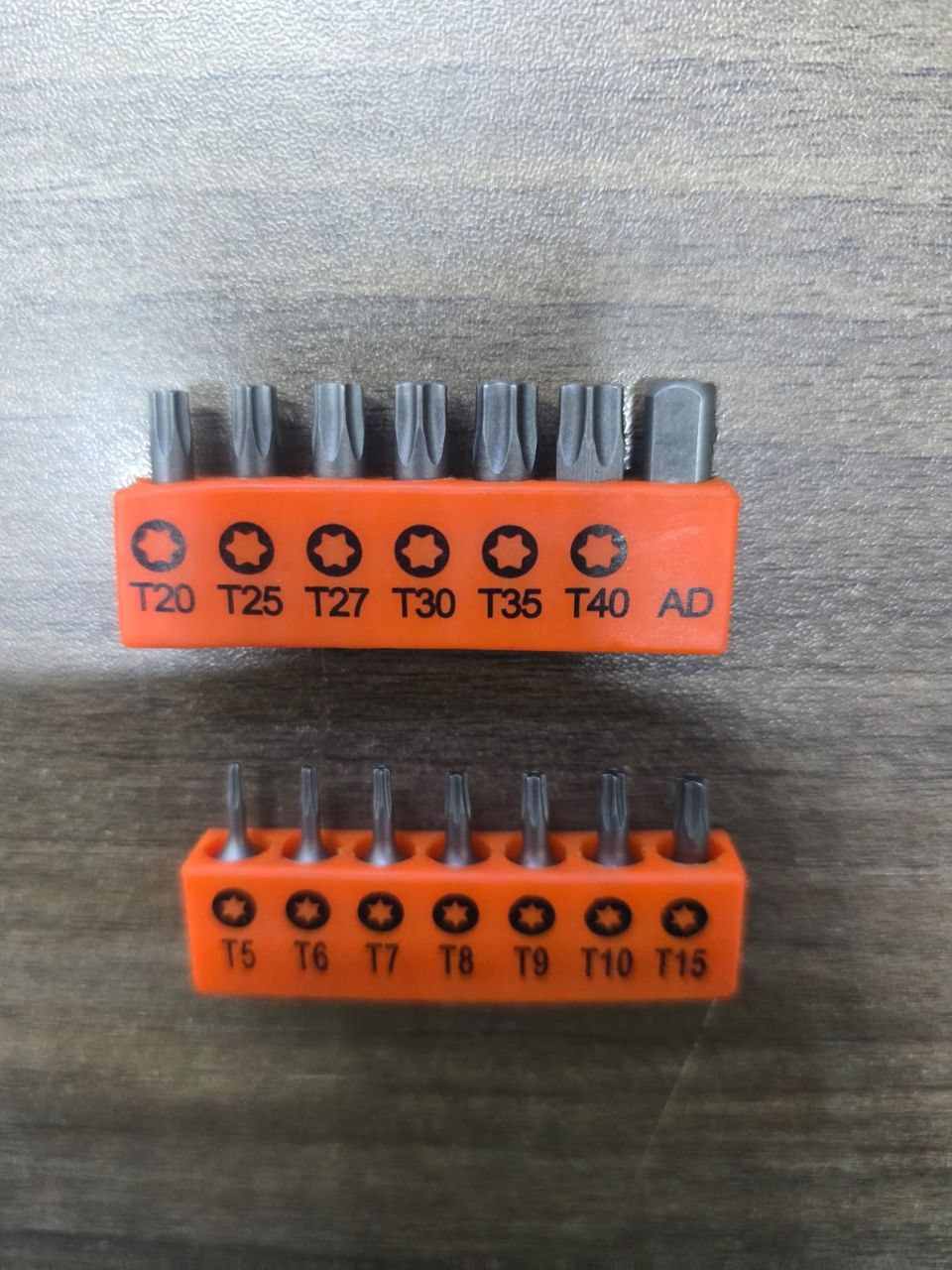
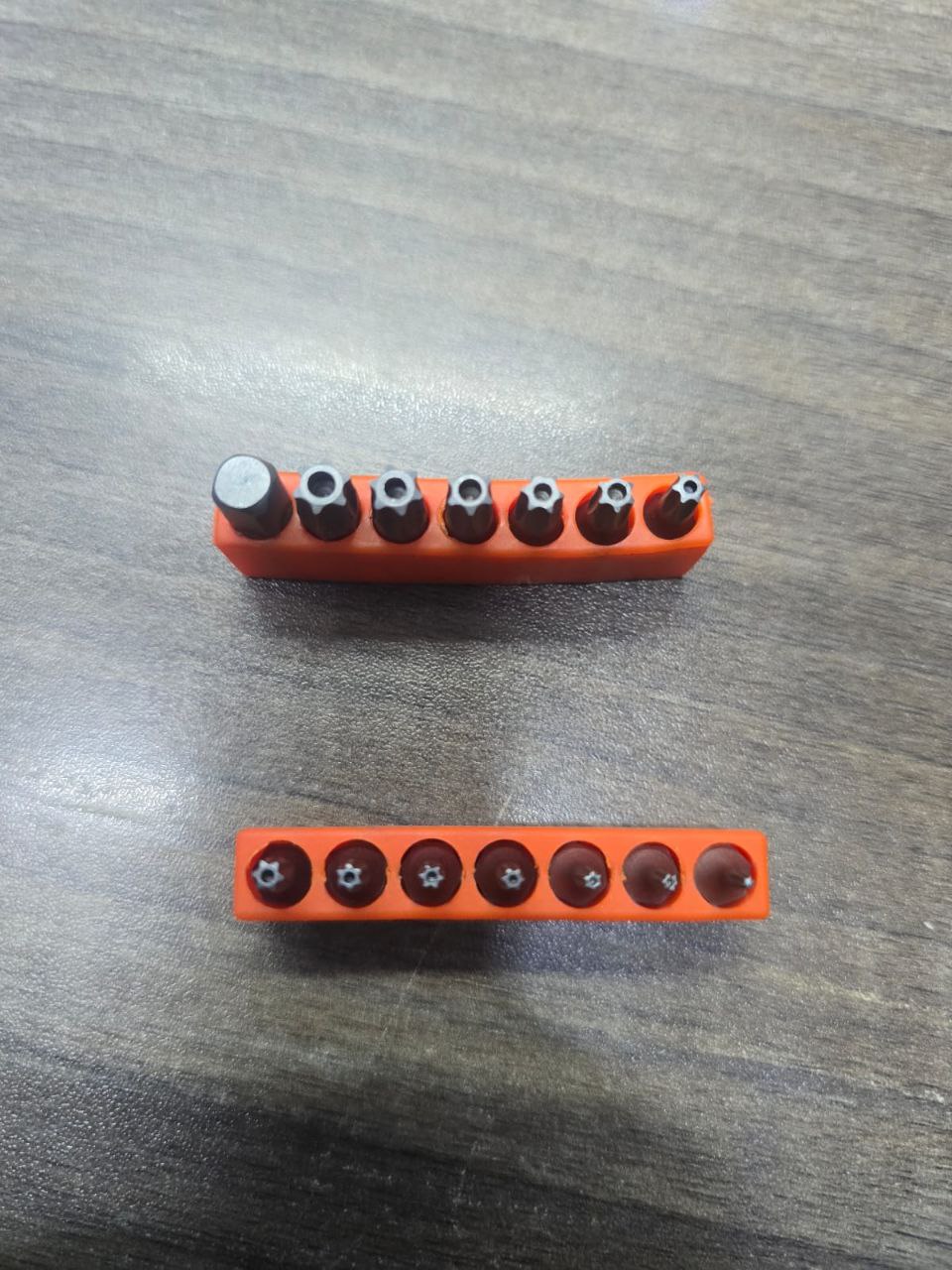
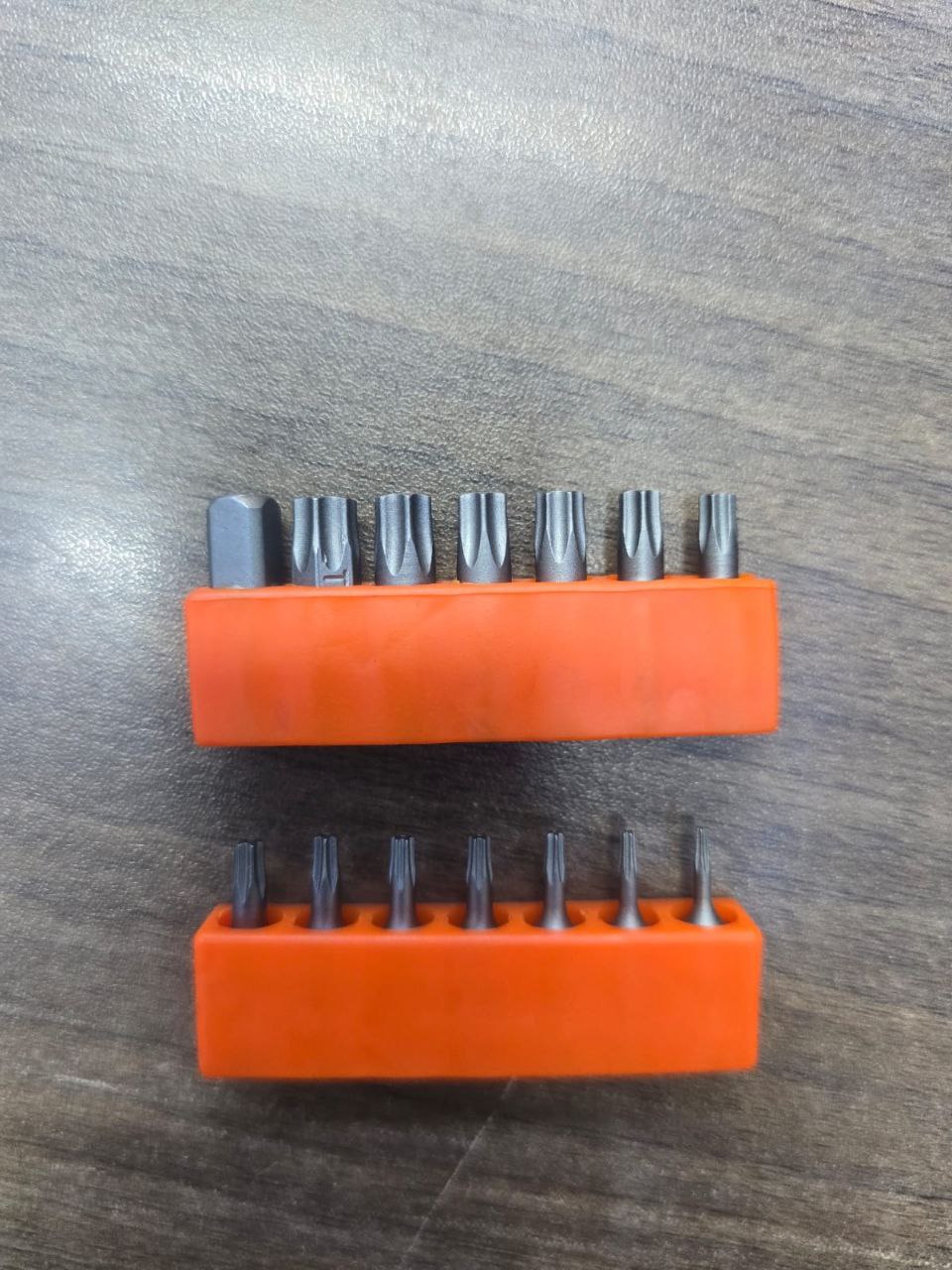
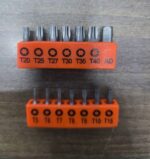
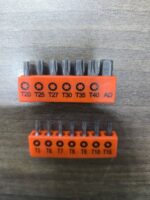
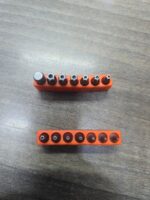
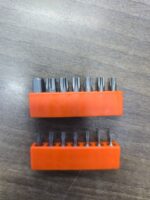
Hex and toxy screwdriver set
Original price was: KSh 2,000.KSh 1,250Current price is: KSh 1,250.
- Shape: Hex fasteners have a hexagonal (six-sided) recess in the head. The corresponding screwdriver bit or key has a matching hexagonal shape.
- Other Names: Often referred to as Allen wrenches or Allen keys when they come in an L-shaped format.
- Advantages:
- Good Torque Transfer: The six flat sides allow for efficient transfer of torque from the tool to the fastener.
- Reduced Cam-out: Less likely to slip out of the screw head compared to Phillips or slotted screwdrivers, especially when applying force.
- Compact Design: L-shaped hex keys are good for reaching into tight spaces.
Description
When you refer to “Hex and Torx screwdrivers,” you’re talking about two distinct types of screwdriver heads (and the corresponding fasteners) that are very common in various applications due to their superior performance over traditional slotted or Phillips head screws.
Let’s break down each:
Hex Screwdrivers (and Hex Fasteners)
- Shape: Hex fasteners have a hexagonal (six-sided) recess in the head. The corresponding screwdriver bit or key has a matching hexagonal shape.
- Other Names: Often referred to as Allen wrenches or Allen keys when they come in an L-shaped format.
- Advantages:
- Good Torque Transfer: The six flat sides allow for efficient transfer of torque from the tool to the fastener.
- Reduced Cam-out: Less likely to slip out of the screw head compared to Phillips or slotted screwdrivers, especially when applying force.
- Compact Design: L-shaped hex keys are good for reaching into tight spaces.
- Common Uses: You’ll find hex fasteners extensively in:
- Furniture assembly (especially flat-pack furniture): Most IKEA furniture, for example, uses hex screws.
- Bicycles: Many bicycle components are secured with hex bolts.
- Machinery and Equipment: Common in industrial settings.
- Automotive: Certain parts in vehicles.
- Electronics: Some electronic enclosures.
Torx Screwdrivers (and Torx Fasteners)
- Shape: Torx fasteners have a 6-point star-shaped recess in the head. The screwdriver bit has a matching star profile.
- Other Names: Also known as star drivers or star bits. They are typically labeled with a “T” followed by a number (e.g., T10, T25, T50), indicating their size.
Additional information
| Weight | 2 kg |
|---|
Reviews (0)
Related products


Original price was: KSh 27,500.KSh 25,000Current price is: KSh 25,000.
Buy via WhatsApp

Original price was: KSh 4,500.KSh 3,500Current price is: KSh 3,500.
Buy via WhatsApp


Original price was: KSh 9,000.KSh 8,000Current price is: KSh 8,000.
Buy via WhatsApp


Original price was: KSh 8,000.KSh 7,000Current price is: KSh 7,000.
Buy via WhatsApp


Original price was: KSh 3,000.KSh 1,999Current price is: KSh 1,999.
Buy via WhatsApp

Original price was: KSh 6,500.KSh 4,000Current price is: KSh 4,000.
Buy via WhatsApp


Original price was: KSh 3,000.KSh 2,850Current price is: KSh 2,850.
Buy via WhatsApp


Original price was: KSh 2,500.KSh 1,700Current price is: KSh 1,700.
Buy via WhatsApp


Original price was: KSh 4,500.KSh 3,500Current price is: KSh 3,500.
Buy via WhatsApp

Original price was: KSh 1,200.KSh 800Current price is: KSh 800.
Buy via WhatsApp


Original price was: KSh 3,500.KSh 2,500Current price is: KSh 2,500.
Buy via WhatsApp

Original price was: KSh 12,000.KSh 10,000Current price is: KSh 10,000.
Buy via WhatsApp
Reviews
There are no reviews yet.