

-19%
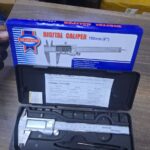
Digital caliper stainless 150mm
Original price was: KSh 3,000.KSh 2,800Current price is: KSh 2,800.
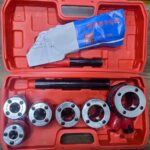
Ratchet Die stock 1/4 to 1¼
Original price was: KSh 7,000.KSh 5,999Current price is: KSh 5,999.
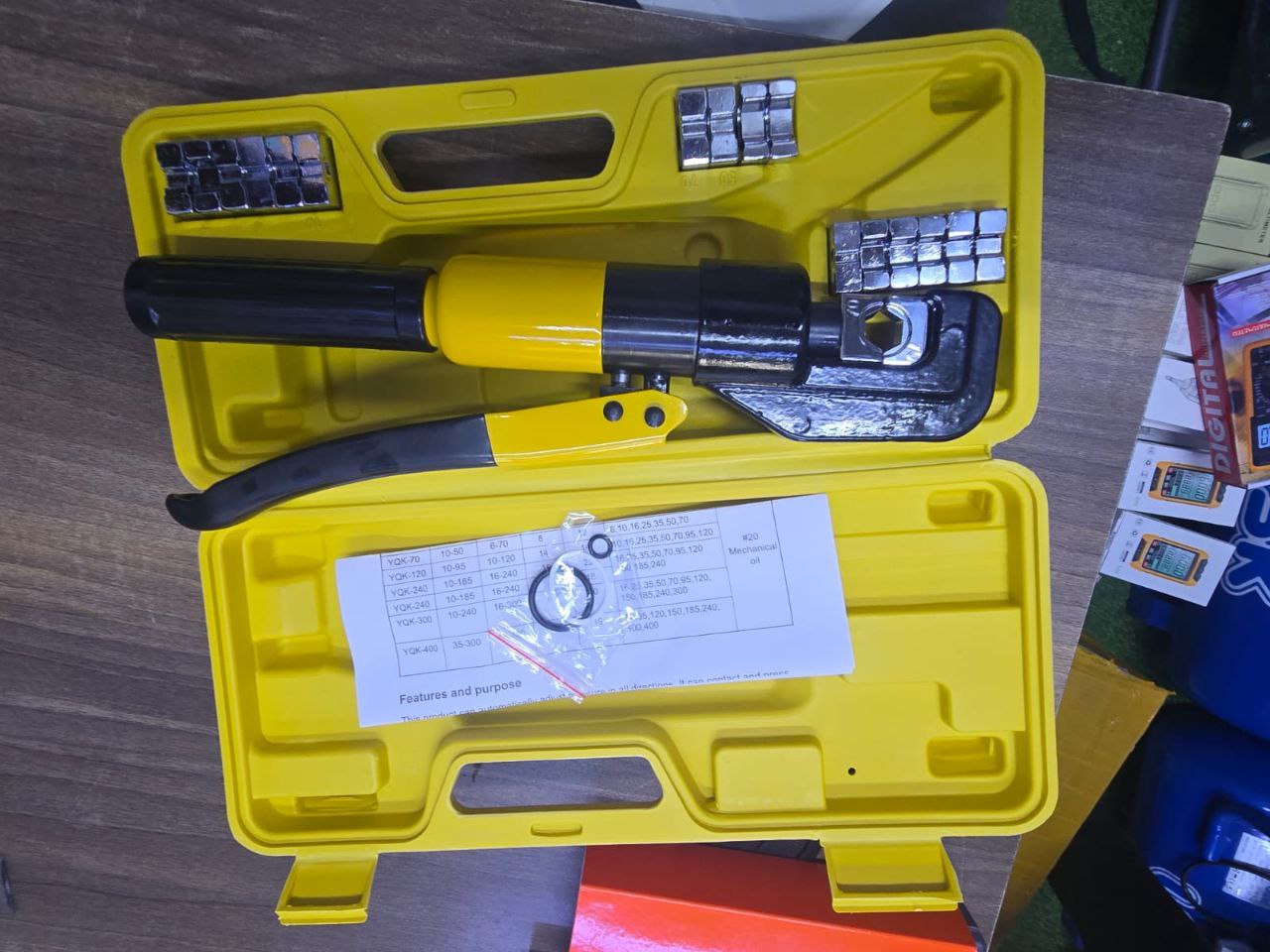
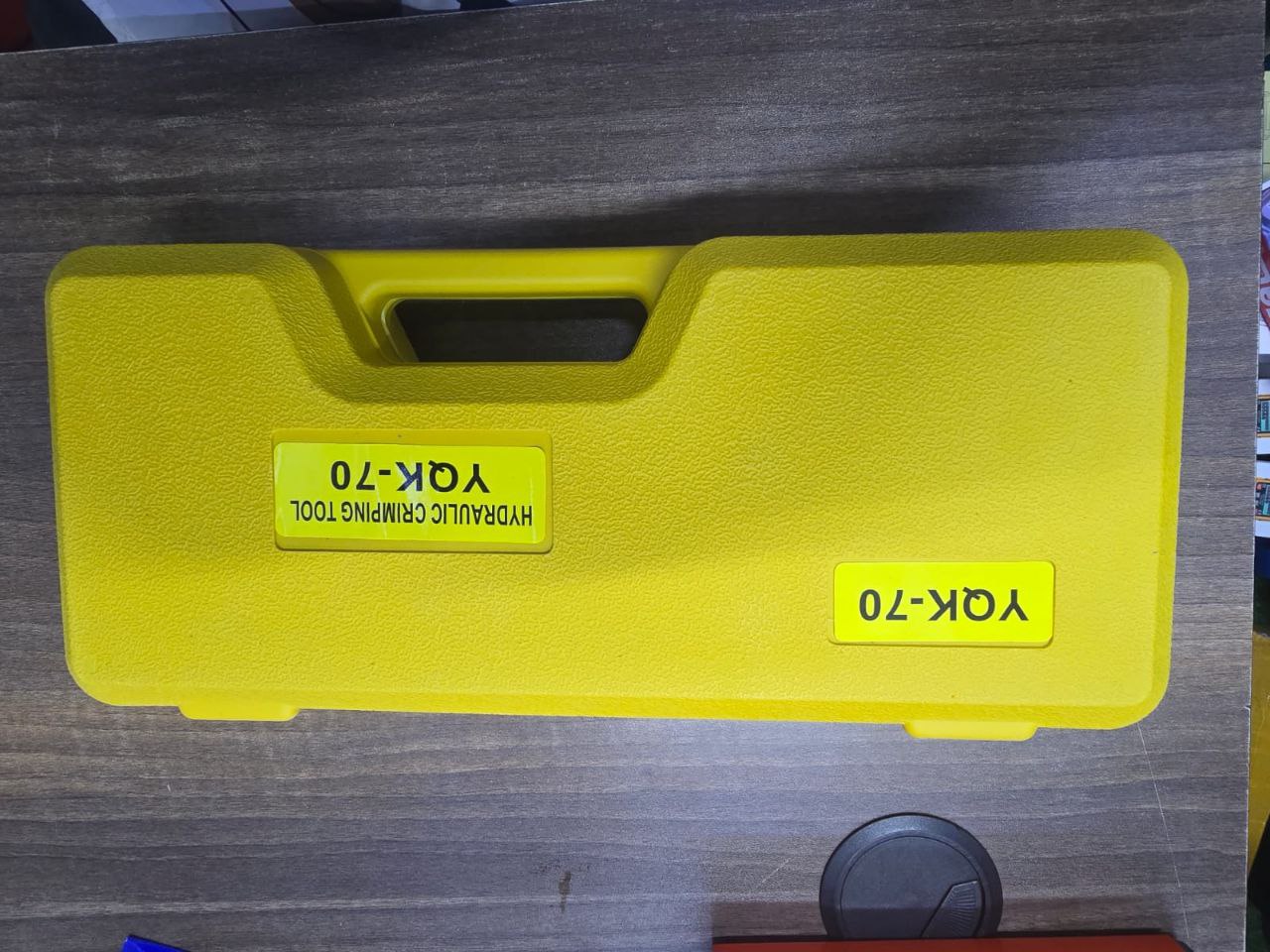
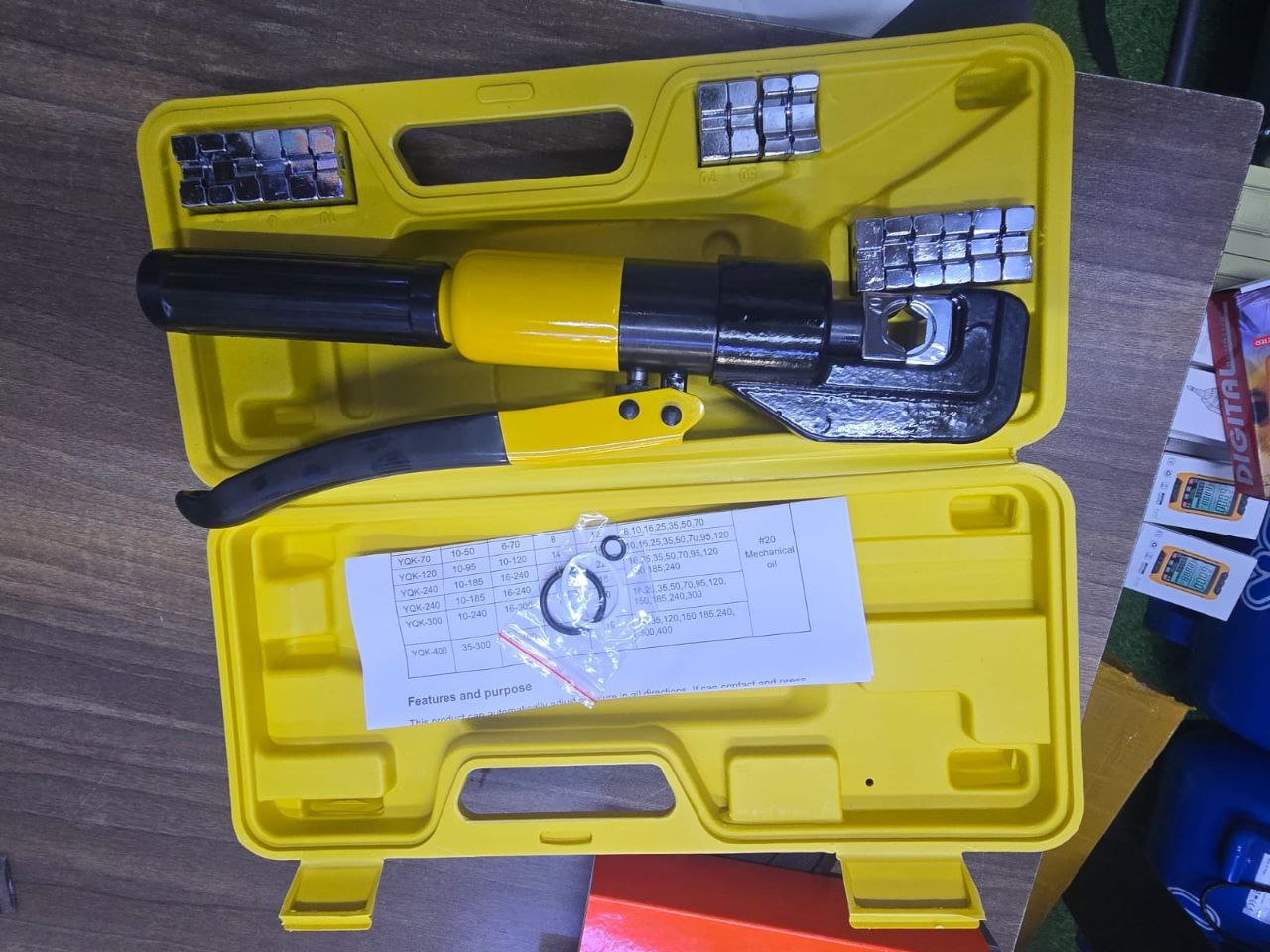
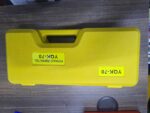
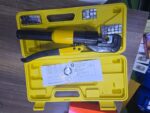
Quality 4-70mm Hydraulic crimping tool
Original price was: KSh 8,000.KSh 6,500Current price is: KSh 6,500.
- Crimping Force and Consistency:
- Adequate Force: For a 4-70mm range, the tool should deliver sufficient hydraulic pressure (often specified in tons or kilonewtons, e.g., 5-6 tons or 45 kN) to create strong, reliable, and uniform crimps. Undercrimping leads to high resistance and potential overheating, while overcrimping can damage the conductor or terminal.
- Consistent Crimp Quality: A high-quality tool will produce consistent crimps across its entire range, ensuring that each connection meets specifications. This is crucial for safety and performance in electrical systems.
Description
A 4-70mm hydraulic crimping tool is a robust and powerful device designed for making secure electrical connections by compressing cable lugs and terminals onto wires within the specified range (typically from 4 square millimeters up to 70 square millimeters). “Quality” in this context refers to its performance, durability, and safety features.
Here’s what constitutes a quality 4-70mm hydraulic crimping tool and what to look for:
What Makes a Quality 4-70mm Hydraulic Crimping Tool?
- Crimping Force and Consistency:
- Adequate Force: For a 4-70mm range, the tool should deliver sufficient hydraulic pressure (often specified in tons or kilonewtons, e.g., 5-6 tons or 45 kN) to create strong, reliable, and uniform crimps. Undercrimping leads to high resistance and potential overheating, while overcrimping can damage the conductor or terminal.
- Consistent Crimp Quality: A high-quality tool will produce consistent crimps across its entire range, ensuring that each connection meets specifications. This is crucial for safety and performance in electrical systems.
- Dies and Die System:
- Material and Precision: The crimping dies should be made from high-grade, hardened steel to withstand the immense pressure and maintain their shape over many crimps. They should be precisely machined to fit the cable and lug sizes accurately.
- Complete Set for Range: A quality tool will come with a comprehensive set of dies (e.g., 4, 6, 10, 16, 25, 35, 50, 70 mm²) that precisely match the specified cable sizes.
- Hexagon Crimping: For this range, hexagon crimping is common as it provides a uniform compression around the conductor.
- Easy Die Change: Dies should be easy and quick to change, ideally without requiring additional tools.
- Durability of Dies: Good dies will resist wear, cracks, or deformities even with frequent use.
- Hydraulic System:
- Reliable Pump Mechanism: The internal hydraulic pump should be smooth, efficient, and durable. Look for features like a “double speed unit” where it quickly closes the dies and then switches to a lower speed for powerful compression.
- Pressure Release Valve: An essential safety feature that automatically releases pressure once the crimp is complete, preventing over-crimping and protecting the tool. It also allows manual release if needed.
- Leak-Free Design: The hydraulic seals and components should be robust to prevent oil leaks, which can lead to tool malfunction and a messy workspace.
- Quality Hydraulic Oil: The tool should be filled with or recommend a specific type of high-quality hydraulic fluid. Regular oil changes and filtering are crucial for maintenance.
- Construction and Ergonomics:
- Robust Materials: The tool’s body and moving parts should be constructed from high-strength steel or other durable alloys to withstand the forces involved and resist damage from drops or heavy use.
- Ergonomic Design: While hydraulic tools require less manual effort, a comfortable grip and balanced design are still important to reduce operator fatigue, especially during prolonged use.
Additional information
| Weight | 2 kg |
|---|
Reviews (0)
Related products


Original price was: KSh 27,500.KSh 25,000Current price is: KSh 25,000.
Buy via WhatsApp

Original price was: KSh 4,500.KSh 3,500Current price is: KSh 3,500.
Buy via WhatsApp


Original price was: KSh 12,000.KSh 10,500Current price is: KSh 10,500.
Buy via WhatsApp


Original price was: KSh 9,000.KSh 8,000Current price is: KSh 8,000.
Buy via WhatsApp


Original price was: KSh 10,000.KSh 7,500Current price is: KSh 7,500.
Buy via WhatsApp

Original price was: KSh 6,500.KSh 4,000Current price is: KSh 4,000.
Buy via WhatsApp

Original price was: KSh 3,000.KSh 1,800Current price is: KSh 1,800.
Buy via WhatsApp


Original price was: KSh 3,000.KSh 2,850Current price is: KSh 2,850.
Buy via WhatsApp


Original price was: KSh 4,500.KSh 3,500Current price is: KSh 3,500.
Buy via WhatsApp

Original price was: KSh 12,000.KSh 10,000Current price is: KSh 10,000.
Buy via WhatsApp

Original price was: KSh 28,000.KSh 24,000Current price is: KSh 24,000.
Buy via WhatsApp
Reviews
There are no reviews yet.